
Understanding the Impact of Sediment in Your Water Heater
Sediment can drastically impact the efficiency of your water heater. Over time, minerals like calcium and magnesium settle at the bottom of the tank. This layer of sediment creates a barrier between the heating element and water, making it harder for your heater to do its job efficiently. As a result, your energy bills may increase, and the lifespan of your water heater could be reduced. Understanding how sediment affects your water heater’s performance is crucial for maintaining an efficient system and avoiding costly repairs.
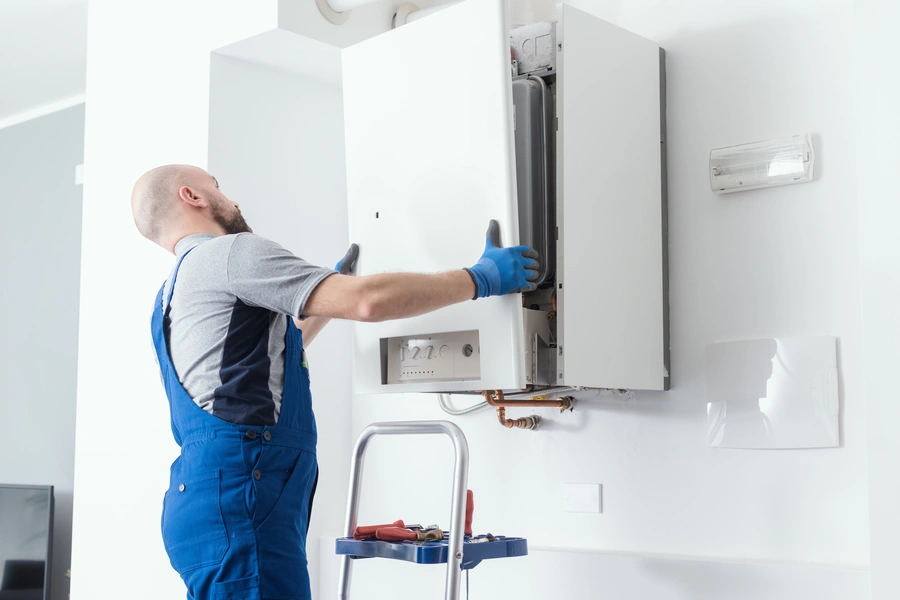
The Role of Sediment in Reduced Efficiency
When sediment accumulates in the tank, it can cause uneven heating. The layers of sediment act as insulation, preventing heat from reaching the water effectively. This forces the heater to work harder, consuming more energy than necessary. In some cases, the buildup can also block the drain valve, making maintenance and cleaning difficult. These issues highlight why regular maintenance is vital for optimal performance.
Signs Your Water Heater Needs Attention
You might notice several signs indicating that sediment is affecting your water heater. These include strange noises coming from the tank, inconsistent water temperature, or longer wait times for hot water. If you experience any of these symptoms, it’s important to consider scheduling a professional inspection. Regular checks can help identify when a water heater repair is needed, preventing further issues down the line.
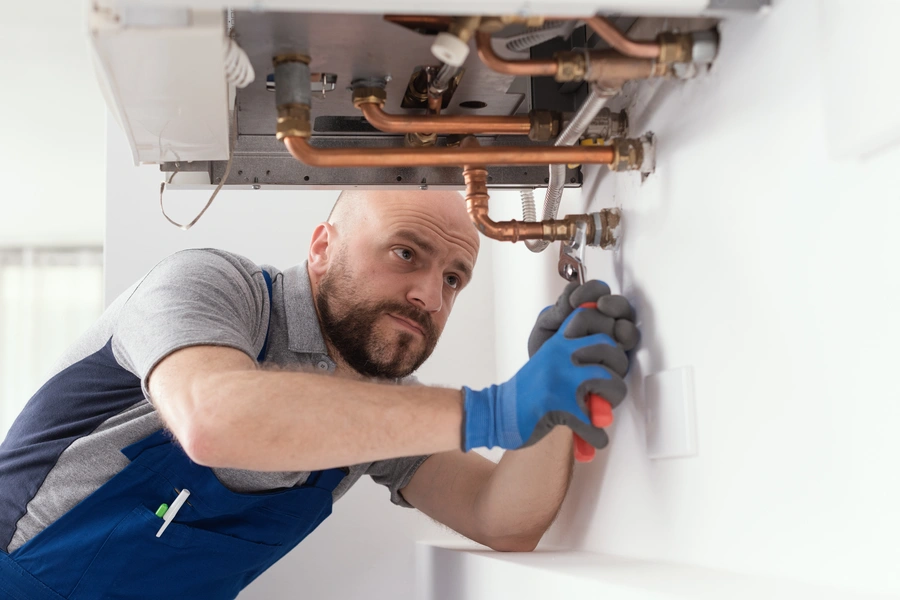
Why Regular Maintenance Is Essential
Regular maintenance helps prevent sediment buildup. Flushing the tank once or twice a year can remove accumulated sediment. This simple practice can improve efficiency and extend the life of your water heater. Investing in routine maintenance reduces the likelihood of needing unexpected water heater repair, saving you both time and money.
Steps to Flush Your Water Heater
- Turn off the heater: Shut off the power supply or gas valve.
- Connect a hose: Attach a garden hose to the drain valve at the bottom of the tank.
- Drain the tank: Open the valve and let out the water until clear.
- Refill and restart: Close the valve, remove the hose, refill with fresh water, and turn on the heater.
Expert Tips for Maintaining Efficiency
- Insulate your heater: Use a blanket specifically designed for heaters to reduce heat loss.
- Lower thermostat settings: Set temperatures to around 120°F for efficiency while ensuring comfort.
- Install a water softener: This can reduce mineral deposits entering your system.
Cost Implications of Ignoring Sediment Buildup
Inefficient water heaters can lead to higher utility bills due to increased energy consumption. Ignoring sediment buildup might also necessitate frequent repairs or even replacement sooner than expected. These costs quickly add up over time, emphasizing the importance of proactive maintenance.
Your Next Steps for Improved Efficiency
If you’re experiencing issues with your water heater, consider seeking professional advice. Regular service not only improves efficiency but prolongs equipment life. For those located in Anaheim, CA, our team offers comprehensive services tailored to meet your needs. At Dave's Handy Pro LLC, we specialize in solutions that ensure your systems run smoothly. Contact us today at (714) 203-9686 to learn more about how we can assist you.