
The Role of Modern Systems in Reducing Energy Costs
In today’s world, energy efficiency has become a top priority for homeowners. Many are looking for ways to cut down on utility bills and reduce their carbon footprint. One effective method is by upgrading to a more efficient water heater. Modern systems use less energy while providing the same level of comfort and reliability. This change not only leads to savings on monthly bills but also contributes positively to the environment.
Understanding the Basics of Energy Usage
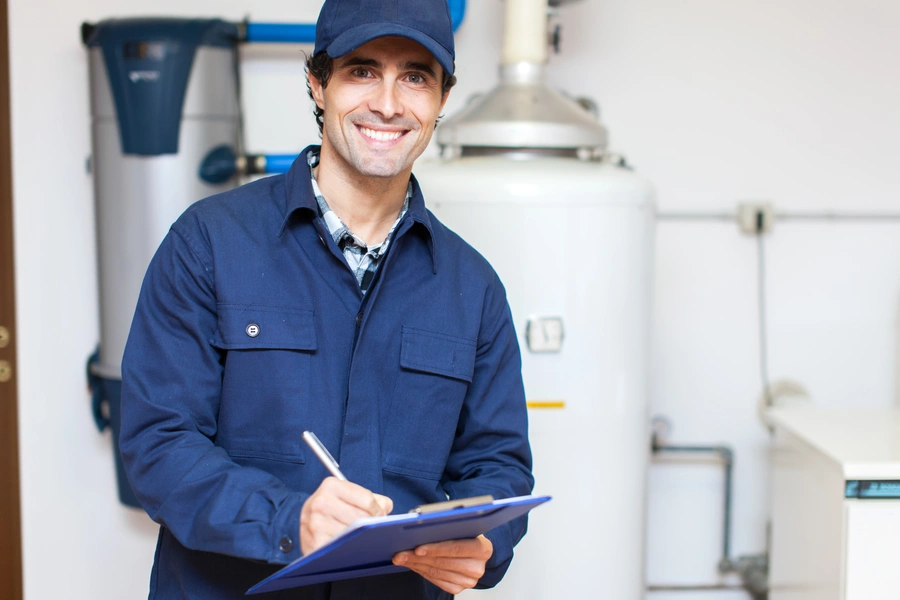
Water heaters account for a significant portion of your home’s energy consumption. Traditional models use more energy because they constantly heat stored water. This approach can waste power, especially when hot water isn’t needed throughout the day. By switching to an efficient model, you can significantly cut down on unnecessary energy use. Choosing the right installation type is crucial here.
Benefits of Efficient Systems
There are several advantages to upgrading your system. Newer models tend to heat water faster and maintain temperatures better than older ones. For instance, tankless systems heat water on demand, reducing standby losses associated with traditional tanks. These benefits can lead to noticeable decreases in energy bills over time. A new water heater installation could be a smart investment.
Challenges You Might Face
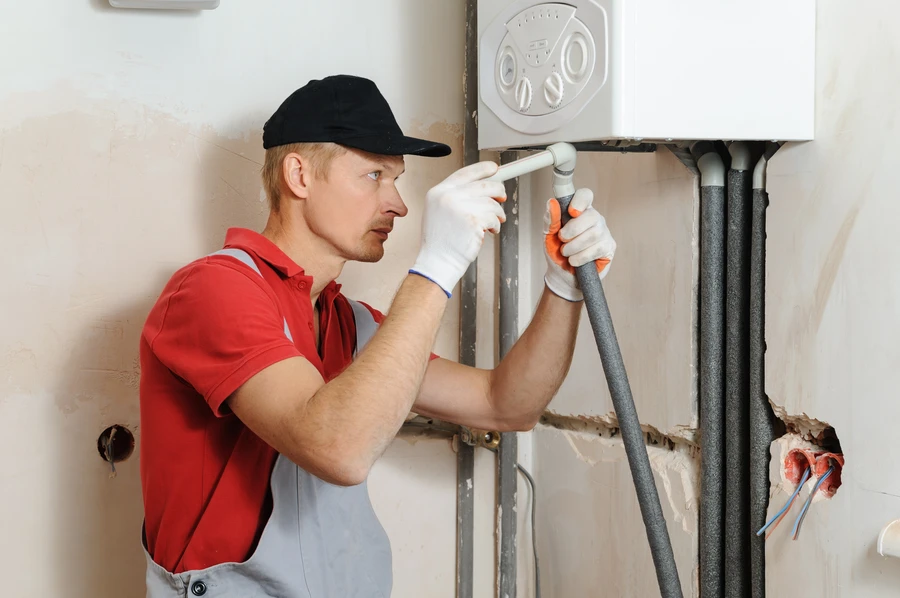
Switching to a new system isn’t without its challenges. The initial cost can be high, which might deter some from making the change. Additionally, the complexity of replacing or installing a new unit can require professional assistance. However, this expense often pays for itself through lower energy costs and reduced repairs in the long run.
Solutions for Overcoming Installation Hurdles
If you’re concerned about the upfront costs, consider financing options that many companies offer. Some state incentives and rebates can also help offset expenses. To ensure proper setup, hiring a qualified technician is recommended. They can manage all aspects from removal of old units to installation of new systems, ensuring efficiency and safety.
Best Practices for Long-Term Efficiency
Maintenance plays a critical role in keeping your system efficient after it’s installed. Regularly flushing the tank prevents sediment build-up, which can decrease performance. Installing insulation around pipes and the heater itself helps retain heat longer. Consider setting your thermostat to 120°F; higher settings consume more energy without noticeable benefits.
- Flush your tank regularly
- Insulate pipes and the heater
- Set thermostat at 120°F
Industry Standards and Regulations
The Department of Energy sets guidelines that manufacturers must follow regarding efficiency ratings. When selecting a new water heater, check for Energy STAR certification. This label guarantees that the product meets strict standards for energy use and environmental impact.
Cost Factors to Consider
The price of a new water heater varies depending on size, type, and brand. While tankless models generally cost more initially, they can save money over time by using less energy. Evaluate both initial and long-term costs when deciding on a model. Your choice should balance up-front expenses against future savings.
Your Path to Greater Efficiency Starts Here
Improving your home’s energy efficiency doesn’t have to be complicated. With modern technology and smart choices, you can enjoy lower utility bills and contribute positively to the environment. Contact Dave's Handy Pro LLC today at (714) 203-9686 for expert assistance. Our team serves clients across Anaheim, CA, providing reliable solutions tailored to your needs.